Hiring an ERP Transition Manager Is Critical for ERP Migration Success
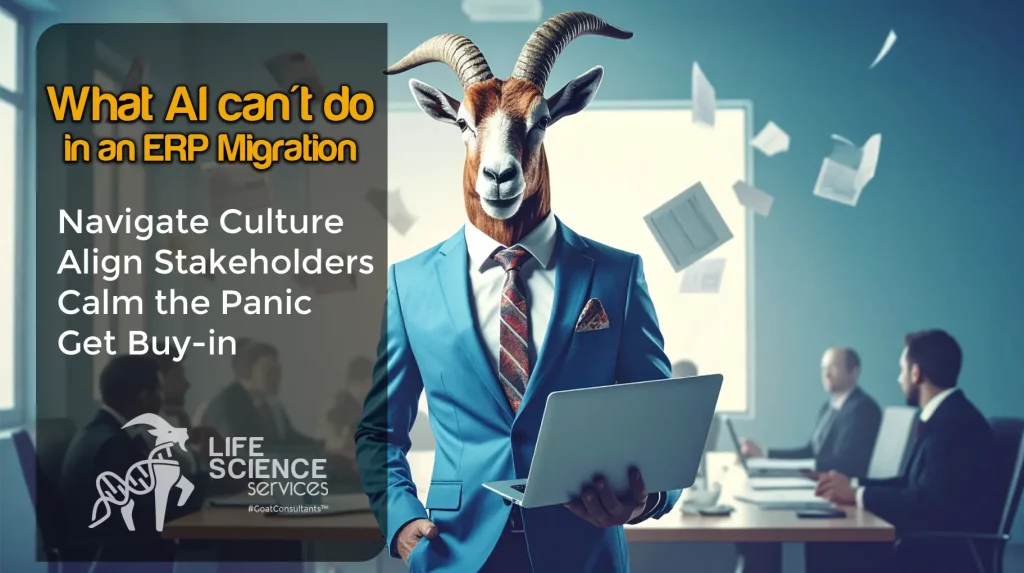
Migrating to a new ERP system is one of the most disruptive and strategic projects an organization can undertake. ERP doesn’t fail because of software. It fails because leaders don’t frame it as a value engine from day one.
Without the right guidance, it’s easy to fall behind, overrun budgets, or lose internal alignment. That’s why hiring an ERP Transition Manager is one of the smartest decisions companies can make during ERP migration.

The Crucial Bridge Between Strategy and Execution
An ERP Transition Manager connects the dots between your operational experts and your ERP implementors. They translate business needs into technical tasks and prevent miscommunication between departments. This ensures decisions stay grounded in real business context and not just a technical feasibility.
Many organizations call this role a Business Analyst, Project Coordinator, or Change Management Specialist. This said, the core function remains the same: being the voice of business during a highly technical and time-sensitive transformation.
Why You Can’t Afford to Skip This Role
ERP vendors and consultants may bring implementation experience, but they don’t know your organization like you do. Without someone who understands both your internal workflows and the technical rollout, even small misunderstandings can cause massive downstream delays or rework.
The ERP Transition Manager ensures:
- Errors and gaps are identified early—before they become expensive
- Cross-functional coordination across teams
- Stakeholders stay informed and aligned
- Resistance is addressed before it derails adoption
ERP is also a signal to the market. Organizations running on major platforms like SAP or Oracle inspire more confidence, internally and externally, than those relying on fragmented or legacy systems. ERP isn’t just software. It’s a statement about operational maturity, discipline, and long-term intent.
The ERP Transition Manager ensures your organization send the right signal about who you are and where you’re going.
Human Context Matters More Than Ever
AI is increasingly used in ERP data migration to speed up data validation and mapping. However, an ERP Transition Manager brings something AI can’t: emotional intelligence, context sensitivity, and decision-making based on real-time human input.
They excel at:
- Understanding how people react to change
- Guiding leadership through organizational resistance
- Aligning ERP functionality with real business needs
No AI can replicate these soft skills or the cultural nuance they demand.
ERP Is Not Optional: The Leadership Mandate That Changes Everything
In a recent conversation with George Collier on The ERP Perspective podcast, I shared a story that captures what truly makes or breaks ERP migrations: executive clarity.
At a biotech company I worked with, we faced internal resistance, active workarounds, and teams quietly disengaging. The integrators had to step in just to keep UAT moving. Then a new CEO arrived with one clear message:
“ERP is not optional. Everyone is on board. ERP adoption is now an objective for every leader.”
Overnight, the resistance evaporated. Not because the software changed. Not because the integrator changed. The mindset changed.
This is where an ERP Transition Manager becomes critical. They translate that executive mandate into daily reality, ensure the CEO’s message doesn’t get diluted as it cascades through departments. They hold leaders accountable to the “ERP is not optional” standard.
Without someone in this role, even the clearest mandate gets lost in translation..
Responsibilities That Drive ERP Success
Here’s what an ERP Transition Manager typically does:
- Facilitates ongoing two-way communication between users and developers
- Organizes user training and change readiness
- Tracks risk, scope, and milestones
- Ensures that all departments stay in sync
- Prevents misalignment across the project lifecycle
- Translates executive mandate into daily execution
The Transition Manager ensures that the executive message is operationalized across every department, every team and every deliverable.
#GOATConsultants™-Level Insights:
ERP Transition Manager: A Role That Can’t Be Replaced
As discussed with George Collier on The ERP Perspective, ERP is a board-level leadership commitment. When boards frame ERP as a strategic value engine that enables cash management, risk mitigation, and scalable growth, the C-suite aligns, the organization rallies, and resistance evaporates.
But board-level commitment means nothing without operational follow-through. That’s the Transition Manager’s domain. While automation tools continue evolving, they still depend on human context. The ERP Transition Manager brings alignment, clarity, and trust to the table, none of which can be fully automated.
Without this role, ERP projects are more likely to:
- Deliver suboptimal results
- Run over budget
- Miss delivery timelines
- Suffer from low user adoption
- Fail to signal operational maturity to investors and markets
ERP is not a technology decision. It’s a leadership signal. It tells investors, employees, and markets how serious you are about discipline, scale, and long-term value creation. The ERP Transition Manager is the person who ensures that signal is heard, and acted upon, every single day of your migration.
Want to future-proof your ERP upgrade?
Hire an ERP Transition Manager who can align your vision with the execution. For deeper insights, explore our ERP implementation checklist and check out our success stories.

Enjoy more Success Stories:
- VAT Compliance Failures Nearly Cost Biotech Millions

- Biotech customs compliance: How we saved €800K in life-saving medicine

- VAT Compliance As An Asset: How We Turned €250K into €1.9M – 660% ROI

- You cost a Customer One Million Euro in VAT penalty
- How we cut €100K/year in VAT compliance costs

- How we recovered €800K from German VAT authorities